
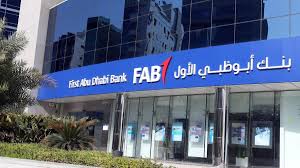
Nigeria plans to borrow up to $5 billion through a derivatives arrangement with First Abu Dhabi Bank, but the IMF issued a warning on Tuesday about the dangers associated with such transactions, stating that they are frequently complicated and opaque.
Nigeria’s Senate approved the deal in April, joining Senegal and Angola, two other African borrowers who have used similar agreements in recent years.
“We believe that there are risks associated with transactions in these kinds of structures. The terms are not always very transparent when we assess these instruments across nations since they are typically opaque,” Christian Ebeke, the head of the IMF mission in Nigeria, told reporters.
According to Ebeke, Nigeria might raise money in various ways, such as through concessional terms, or by issuing eurobonds to cover its deficits.
Nigeria plans to pay for infrastructure and refinance costly debt with the money received from the total return swap, or TRS.
The Fund commended Nigeria’s extensive reforms in its most recent Article IV review, stating that they had improved investor confidence and economic stability.
However, it cautioned that the benefits had not yet reached millions of Nigerians and may be jeopardized by shocks from across the world, notably the Middle East conflict.
According to the IMF, President Bola Tinubu’s policies since 2023—such as the elimination of fuel subsidies, tighter monetary policy, and exchange rate liberalization—have strengthened buffers and enhanced macroeconomic management.
With poverty rates at 63% and millions experiencing food insecurity, it warned that the changes were also adding to social strain, highlighting a growing disconnect between macroeconomic achievements and household realities.
According to the IMF, Nigeria has been able to restore access to global capital markets, draw in portfolio inflows, and lower risk premiums thanks to increased policy credibility and exchange reforms. Gross reserves are at $50 billion, the highest level in 17 years, according to the central bank.
However, the IMF warned that depending too much on erratic foreign portfolio investments creates rollover risks and called for a change to more stable, long-term capital like foreign direct investment.