
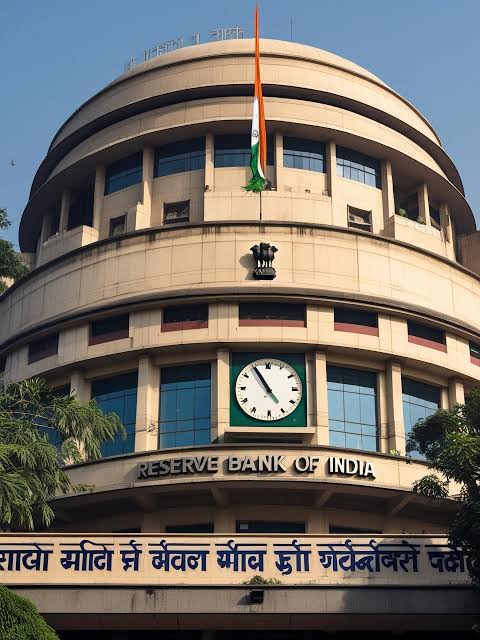
At an event on Tuesday, Reserve Bank of India Governor Sanjay Malhotra stated that members of the BRICS group of countries are talking about possible connections between their own fast payment systems and central bank digital currencies.
Brazil, Russia, India, China, and South Africa are among the nations that make up the BRICS group.
The annual summit will take place in India in 2026. “Cross-border payments are an area of interest for all of us, including the BRICS, because we feel there is a lot of scope for reducing cost,” Malhotra stated in Mumbai.
“Various options are on the table, but it is still at the discussion stage, including CBDCs (central bank digital currencies) and linkages of fast payment systems,” he said.
The RBI suggested to the government that a proposal to link CBDCs be added to the agenda for the 2026 BRICS summit, according to a Reuters story earlier this year.
According to Malhotra, the central bank would also keep working to internationalize the rupee and encourage the use of local currencies for commerce and cross-border payments.
USE OF RESPONSIBLE AI
“Indian banks cannot afford to sit on the sidelines and watch,” the governor added, urging lenders to inventory all AI models in use and establish board-approved AI governance policies.
The RBI views AI as a capability to be harnessed rather than just a risk that needs to be contained.
In light of concerns about cyberattacks as well as operational and governance risks, central banks around the world have been closely monitoring bankers’ use of AI.
According to Malhotra, innovation and safety are complementary needs for a long-lasting financial system rather than antagonistic objectives.