

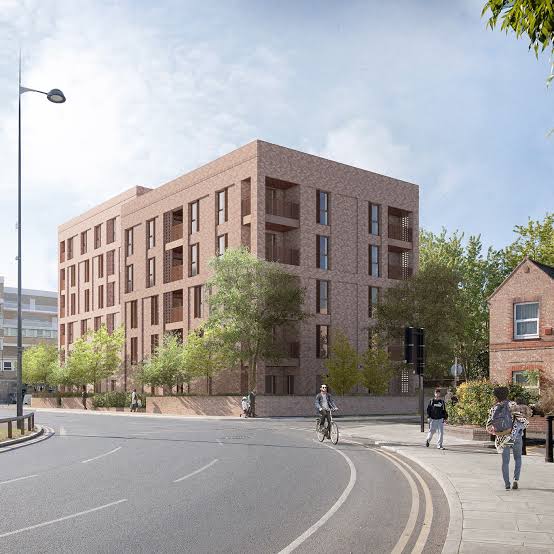
With an emphasis on London, Britain announced intentions to spend £10 billion ($13.6 billion) on affordable housing for renters; nonetheless, its goal of providing social rent was less than what new Prime Minister Andy Burnham had promised.
According to the government, social rent—a subsidized, less expensive type of rent that can be constructed by local councils or housing associations—would account for about 60% of the dwellings delivered through the funds.
That was below Burnham’s promise to deliver all housing under the scheme through local councils, but it was in accordance with the percentage set out by the administration of former Prime Minister Keir Starmer, which founded the program.
Burnham, who entered office in July, has stated that giving local councils the authority to construct social housing, as Britain did following World War Two, might lower the welfare expense that goes to private landlords, lessen homelessness, and give those with lower incomes security.
This nation was originally established by councils during a housing crisis.
In a statement released late on Monday, Burnham stated, “They will do it again if they are properly backed and trusted to get on with it.” The statement also contained information about the initial funding round.
However, housing minister Matthew Pennycook stated that municipalities were not yet equipped to handle the entire scheme.
In the first phase, the government stated on Tuesday that the capital, where local authorities were anticipated to deliver more than half of the new homes, would receive more than £7 billion, the first tranche of a previously planned £39 billion in funding over ten years.
The government stated that approximately £16 billion of the total funding plan will eventually be distributed outside of London, with a focus on council house construction and social rent houses.
It stated that around 70,000 new dwellings would be built with the help of the first round of funding.
The government claimed that by granting mayoral units the authority to establish strategic direction in their districts, the house-building program would further devolution, another Burnham policy priority.