
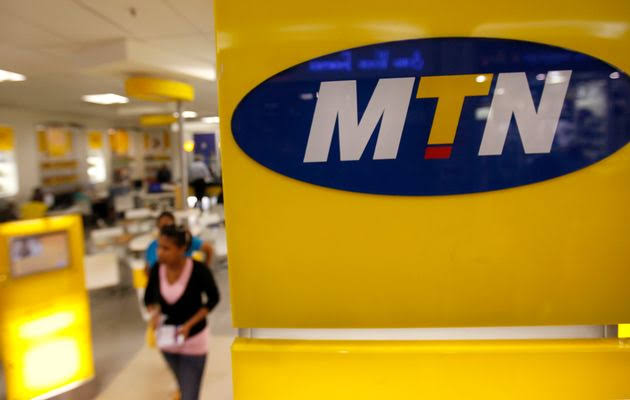
In addition to reporting a 21.3% increase in half-year adjusted profit and robust cash creation, South African mobile operator MTN Group said on Monday that its board had approved a 6-billion-rand ($375 million) share repurchase program.
CEO Ralph Mupita informed journalists that the repurchase scheme would start on Monday.
MTN shares were up 4.61% at 201 rand at 1005 GMT.
Adjusted headline profits per share (HEPS) increased to 793 cents in the six months ended June 30 from 654 cents a year earlier, according to Africa’s largest telecom provider, which has over 317 million users in 19 nations.
However, due to a 3.9-billion-rand non-cash impairment on its 49% interest in Irancell, reported HEPS dropped 5.8%, indicating both the steep depreciation of the rial and Iran’s hyperinflation. South Sudan’s foreign exchange losses also impacted earnings.
As part of a broader withdrawal from the Middle East, MTN is seeking to exit Iran, its last remaining operation. U.S. sanctions, which have been in effect since May 2018, have hampered the procedure and prevented the company from repatriating over 880 million rand in trapped dividends, according to Mupita.
We are unable to deposit or withdraw any funds due to the penalties. However, we would proceed with carrying out our Middle East evacuation plan if circumstances did alter to the point where sanctions were lifted,” he continued.
Nigeria (MTNN.LG), Ghana (MTNGH.GH), and Uganda, MTN’s largest market outside of Iran, helped increase service revenue by 17.5% to 115.3 billion rand.
In South Africa, growth was 1.5%.
Strong subscriber growth and the expansion of digital and fintech services, according to MTN, also bolstered results.
The EBITDA margin increased by 3.1 percentage points to 47.1%, while core earnings increased by 24.4% to 56 billion rand.
According to MTN, the majority of the remaining obstacles to its tower agreement with IHS Towers are regulatory.
Nigeria’s competition regulator has granted it conditional approval, which calls for it to gradually reduce its ownership of the Nigerian company by up to 30% at market rates.