

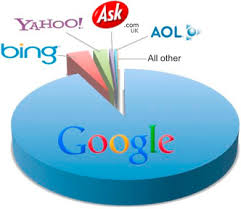
To comply with the Digital Markets Act, the European Commission has suggested that Google permit third-party search engines to access its search data, including that of artificial intelligence chatbots with search capabilities, the commission announced on Thursday.
Google’s senior competition counsel, Clare Kelly, stated that the internet giant will oppose the restrictions, claiming they went too far and endangered user privacy.
“Hundreds of millions of Europeans trust Google with their most sensitive searches—including private questions about their health, family, and finances—and the Commission’s proposal would force us to hand this data over to third parties, with dangerously ineffective privacy protections,” she stated in a statement.
According to the commission, the EU’s proposed measures encompass the extent, methods, and frequency of the search data that Google is required to share, steps to guarantee the anonymity of personal data, procedures controlling beneficiaries’ access to search data, and criteria for determining search data pricing.
“The measures aim to allow third-party online search engines, or ‘data beneficiaries,’ to optimize their search services and contest Google Search’s position,” the commission stated.
A final decision will be made in July after interested parties have until May 1 to express their opinions on the proposed changes.
The most widely used search engine in the world, Google, was accused of violating the Digital Markets Act in March 2025.
In an attempt to appease rivals and EU authorities, it has offered its own proposals; nonetheless, rivals have claimed that the steps were insufficient.
Since 2017, Google has been fined 9.71 billion euros ($11.43 billion) for multiple antitrust violations in Europe.
Penalties for Online Marketplaces Act violations may represent as much as 10% of a company’s global annual revenue.