

New regulatory guidance released Wednesday tells examiners at large banks to keep an eye on how lenders deploy artificial intelligence while folding it into their existing risk assessments rather than singling it out as a separate category. The move comes as regulators around the world step up efforts to rein in AI-related risks.
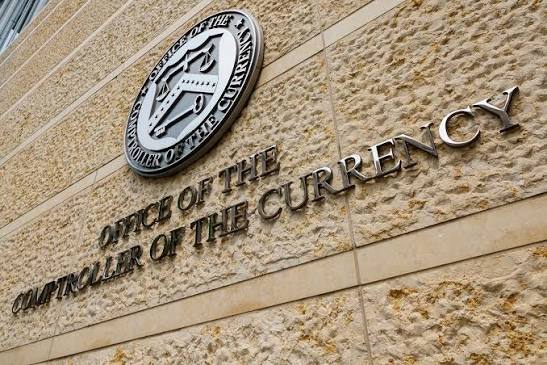
The guidance comes from the Office of the Comptroller of the Currency, the overseer of big national banks. It describes the document as its first ever to lay out how examiners should scrutinize banks’ use of AI.
Buy COMPLETE GLOBAL TRADE MASTERY @ https://selar.com/p/51175y15ag?affiliate=t3ke
Under the framework, the OCC says banks don’t need to set any specific risk limits for AI, and examiners shouldn’t view the technology as a distinct category of risk. They should, however, factor in how a bank is putting AI to work, along with the bank’s size and complexity.
The guidance isn’t legally binding like a formal rule, but banks generally follow it closely.
Regulators around the world have been questioning lenders about their AI use, concerned that it could create serious cybersecurity threats and possibly endanger financial stability. In the US, authorities have been asking banks which advanced AI models they use, what restrictions they put on those systems, and how they keep tabs on them.
Buy E-COMMERCE BUILDER BUNDLE @ https://selar.com/p/r78po4856y?affiliate=3bl5
The OCC wants its examiners to concentrate on what could go wrong if AI makes an error at a bank, not on how advanced the underlying models are. A basic AI agent with the power to start transactions, for instance, might pose more risk than a highly sophisticated model used only behind the scenes. According to the document, the riskier the use, the more a bank may need to limit the AI’s independence or keep humans more directly involved in overseeing it.
Buy CHINA IMPORTATION MASTERCLASS @ https://selar.com/p/9c5884f481?affiliate=98wu