
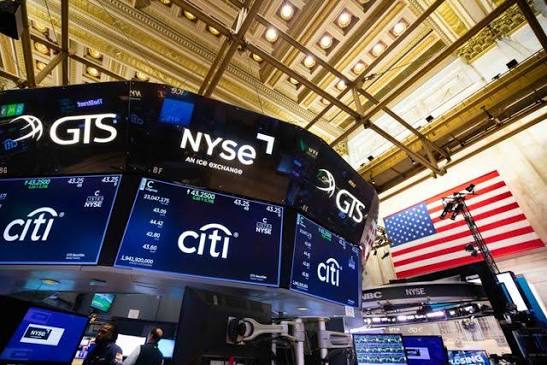
Democrats’ sweeping midterm victory is the newest surprise for markets that are already working through the fallout from the Iran war and an AI boom that has lifted both growth and inflation, all while America’s debt keeps climbing.
Wednesday’s overall market response was mild, with stocks rising in Europe and the dollar regaining ground. Even so, investors expect choppier trading ahead. Two issues stood out: where the Iran conflict goes from here, which has pushed oil up 70% this year, and the heated argument over federal spending.
Buy COMPLETE GLOBAL TRADE MASTERY @ https://selar.com/p/51175y15ag?affiliate=t3ke
Mike Bell, head of market strategy at RBC BlueBay Asset Management, which oversees nearly $600 billion, said the largest risk to markets is that President Trump, no longer constrained by the midterms, chooses to ramp up military action in the Middle East. If that led to higher energy prices, Bell warned, stocks and bonds could fall together.
With the Iran war dragging on, oil has stayed above $100 a barrel, raising fuel costs for households and companies alike. Central banks are watching closely for any sign that this could feed into wider inflation and force them to raise interest rates significantly.
The Federal Reserve has now overshot its inflation goal for over five years. Meanwhile, eurozone inflation climbed to 4% in October, its highest in three years, driven by costly energy. Wednesday’s data suggested it will keep rising in the months ahead, strengthening expectations that the European Central Bank will raise rates in December.
Buy E-COMMERCE BUILDER BUNDLE @ https://selar.com/p/r78po4856y?affiliate=3bl5
Berenberg chief economist Holger Schmieding said geopolitical risk stays elevated because Trump still holds the reins on foreign policy. Beyond the Iran war, investors were also blindsided earlier this year by the US seizure of Venezuelan President Nicolas Maduro and by Trump’s tariff threats against European allies over Greenland. Schmieding cautioned that markets should prepare for plenty of foreign policy turbulence during the last two years of Trump’s term.
From AI buildout to debt.
Polling suggests Democratic voters want tighter oversight of AI, and investors expect the new Democratic-controlled Congress to look harder at the industry. Even so, global stocks shook off early jitters and moved higher, while US stock futures climbed after dropping as much as 2% overnight.
Seema Shah, chief global strategist at Principal Asset Management, said AI is too central to America’s growth story for any government to ignore, so whoever holds power will likely try to keep the buildout going while addressing concerns about affordability. She noted that the S&P 500 has been higher one year after every midterm election since World War II.
Buy CHINA IMPORTATION MASTERCLASS @ https://selar.com/p/9c5884f481?affiliate=98wu
Investors have nonetheless grown uneasy about how resilient markets really are. The surge in AI capital spending, combined with heavily indebted governments, has pushed borrowing costs to multidecade highs and exposed weak points in the system. Shah said she will be watching fiscal policy, which could face even tighter limits after the election.
Treasury yields dipped on Wednesday, as analysts welcomed the fact that Trump’s pledge of $5,000 checks for US adults, promised if Republicans won, will not come to pass. Worries about a US debt pile that recently passed $40 trillion have helped lift government bond yields this year.
US federal government debt.
Congress put off a heated fight over fiscal 2027 spending until after the midterms, leaving a December 11 deadline to strike a funding deal. The debt ceiling won’t likely become a pressing issue until late 2027, but Democrats could use that so-called X-date as a bargaining chip, demanding concessions on spending and taxes in return for their votes to lift the borrowing limit.
Shah expects the market turbulence to persist, calling the coming year a “white-knuckled ride.”
Buy varied products. @ https://selar.com/m/Ltrust?affiliate=tyvl