
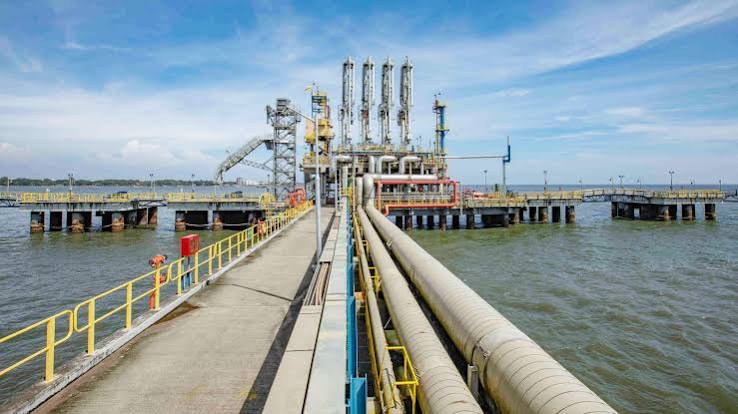
Finance Minister Khamis Mussa Omar said that Tanzania anticipates finalizing agreements on significant investment projects in the upcoming months, including a $42 billion LNG development that officials hope will support industrialization.
Along with Uganda’s anticipated first oil shipments via the Tanzanian port of Tanga in early 2027, the liquefied natural gas project, spearheaded by Equinor, and Shell, is a part of a larger push to develop East Africa as a major energy hub.
Natural gas reserves of 47.13 trillion cubic feet are anticipated to be released.
Buy E-COMMERCE BUILDER BUNDLE @ https://selar.com/p/r78po4856y?affiliate=3bl5
Partners include the state-owned Tanzania Petroleum Development Corporation, Pavilion Energy, Medco Energies, and Exxon Mobil.
The LNG deal was supposed to be signed before June, according to officials. “It’s nearly there,” Omar remarked. A portion of the LNG will be produced for the domestic market, while the majority will be exported.
Project Deals for Critical Minerals
According to Omar, Tanzania wants to increase the percentage of energy coming from clean sources—such as hydropower, solar, wind, and natural gas—to about 75% and almost double its power generation capacity to 8,000 megawatts by 2030.
Tanzania is finalizing two critical mineral projects drawing heavy interest from US investors, though specific details remain confidential.
The nation is targeting self-financing, revenue-generating foreign investments to boost its economy.
Buy CHINA IMPORTATION MASTERCLASS @ https://selar.com/p/9c5884f481?affiliate=98wu
While an international bond issue is still under review, recent reforms—including expanding market access, launching a sovereign yield curve, and easing corporate debt rules—aim to attract foreign capital into domestic debt.
However, the government remains cautious; the central bank is studying other African nations to assess the risks of greater foreign participation in the market.
Tanzania’s strategy aligns with a frontier market trend of leveraging global demand for local-currency debt as traditional foreign aid evaporates.
The country now self-funds two-thirds of its 62.3 trillion-shilling ($23.7 billion) budget through domestic revenue, while official development assistance has plummeted from 40% to a negligible fraction.
Buy @ https://nestuge.com/sh79o5ans?affiliate=YgeqiT
To bridge funding gaps, the government is deciding by June 2027 whether to request a new IMF lending program, after its previous $1.7 billion IMF facility ends in July 2026.