

Morgan Stanley analysts calculated on Wednesday that large U.S. banks might be able to release up to $320 billion in capital under updated draft regulations released by regulators last month.
36 banks will have an estimated excess capital of $320 billion when new capital regulations are applied, 20% more than the current $266 billion, according to a report written by analysts led by Manan Gosalia of Morgan Stanley.
“Clarity on capital rules is a key catalyst for the banking sector,” analysts said.
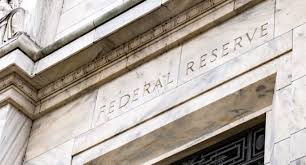
In a significant business win that would free up billions of dollars for lending, dividends, and share buybacks, the Federal Reserve announced last month that capital levels at large U.S. banks will drop by between 4.8% and 7.8% under softer draft “Basel” and “GSIB surcharge” standards.
However, it’s uncertain how much money might be released in the end.
Morgan Stanley anticipates that during the first-quarter earnings calls, the banks will start providing tentative ranges of capital they will be able to release once the regulations are put into effect.
In the company’s most recent letter to shareholders, Jamie Dimon, CEO of JPMorgan, stated that the bank might have about $40 billion in extra capital once the regulatory reforms are put into effect, but he also noted that the draft rules were still “flawed.”
Although Morgan Stanley said the adjustments could be finalized by the third quarter, some analysts think implementation won’t occur until next year.
The plans are presently being reviewed by banks.
According to Morgan Stanley analysts, regional banks will gain the most from modifications to the risk-weighted asset calculations because credit risk is decreasing.
If the surcharge for globally systemically important banks, or “GSIBs,” is lowered, Goldman Sachs and Citigroup are probably going to be the biggest beneficiaries.