
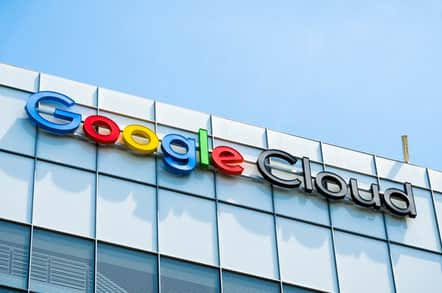
Google announced on Wednesday that it had surpassed a five-year goal of investing $1 billion in Africa, as it made public projects on infrastructure and AI development to speed up the continent’s digital progress.
They come after Google introduced a cloud service for the Johannesburg area in 2025.
These are the specifics of the new projects that Alphabet-owned Google unveiled during the inaugural Africa Cloud Summit in Johannesburg.
The first of four proposed connection centers on the continent will be established by Google in the Eastern Cape of South Africa.
The infrastructure would improve internet capacity and resilience by connecting Africa to Australia via the Umoja undersea cable and to India via a new route.
Ghana will host Africa’s first applied AI lab, which will match local businesses with Google experts and provide them early access to the company’s AI models.
Underrepresented creators will receive AI-driven narrative training through a more than $1 million initiative in collaboration with UK actor Idris Elba’s Akuna Group.
WeThinkCode and Google’s Economic and Community Development program have agreed to construct a 3 million rand ($183,468) digital innovation center in Soweto, Johannesburg.
As part of its commitment to support 50 African companies between 2024 and 2028, Google also announced that its startup accelerator program will support 15 South African businesses.
James Manyika, Google’s senior vice president for research and technology, told reporters that the continent has a huge AI opportunity and that the company is dedicated to helping Africans realize it.