
By putting a strong emphasis on jobs, the World Bank revealed a new strategy on Friday that aims to assist tiny island states and other small countries in better addressing unique issues like remoteness, exposure to shocks, and a narrow economic base.
During the spring meetings of the International Monetary Fund and World Bank, World Bank President Ajay Banga spoke about the idea in private with ministers and central bank governors from fifty small nations.
The idea was to use unique instruments to help tiny states draw in more private investment, implement legislative and regulatory changes that would facilitate the operation and expansion of firms, and eventually generate more jobs.
It will concentrate on sectors where Bank officials believe there are the best chances to increase growth, fortify companies, and provide more and better jobs, such as health, affordable energy, resilient infrastructure, and micro and small enterprises.
Last year, the World Bank Group authorised a record $3.3 billion in new guarantees and pledges for tiny governments, which have particular economic difficulties and are disproportionately impacted by shocks, as demonstrated by the Middle East conflict.
In a blog post announcing the new approach, the bank stated, “For small businesses, a single hurricane, a sudden surge in imported fuel prices, or a downturn in tourism can undo months of investment and income in a matter of days.”
According to Banga, the Bank will use a unique strategy to mould the regional initiatives it undertakes in these nations, with partnerships playing a significant role.
There is no one-size-fits-all strategy here. “Our support will reflect the diversity of small states,” Banga told the finance officials. “We also know the economics are different.”
He pointed out that the Bank intended to employ more flexible financing, scale solutions, and streamline service delivery to maximise every dollar because working in tiny states can be up to four times more expensive than in larger nations.
There are already a few projects in progress.
For instance, under a mutual reliance framework agreement—a first for multilateral development banks—the bank will co-finance an urban resilience project in Tonga with the Asian Development Bank.
More such agreements, including one with the Inter-American Development Bank to broaden the strategy to the Caribbean, were planned, according to Banga. According to him, the World Bank was also giving nations more tools.
The bank stated that improved diagnostics were also crucial. In-depth analyses of the barriers to employment by the private sector were being conducted for Barbados, Guinea-Bissau, Lesotho, Mauritius, Samoa, and the Seychelles.
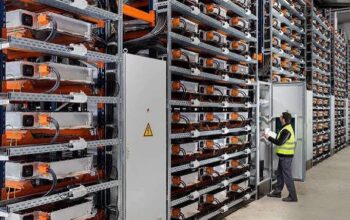
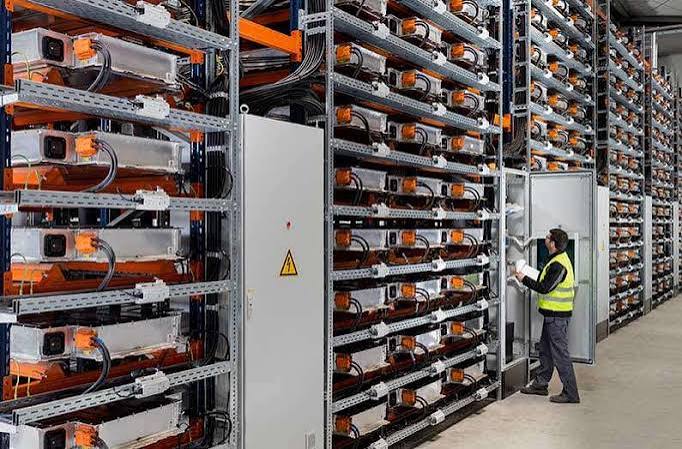
The World Bank might use its influence to encourage investments. For example, the World Bank worked on a parallel project on battery storage to facilitate the integration of solar projects into the grid, while the bank’s investment arm, International Finance Corp, contributed to the building of Botswana’s first utility-scale solar plant.
According to the bank’s blog, “the outcome is not just a solar plant but also a replicable model for how unlocking private finance that can open markets and create jobs.”