
In response to soaring fuel costs brought on by the war in Iran, five European Union finance ministers are advocating for a tax on windfall profits of energy companies.
In a letter dated Friday, the finance ministers of Germany, Italy, Spain, Portugal, and Austria made the joint request, stating that “we stand united and can take action” would be demonstrated.
“It would also send a clear message that those who profit from the consequences of the war must do their part to ease the burden on the general public,” they wrote.
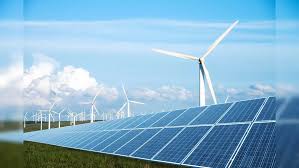
Even though EU countries are now receiving more energy from renewable sources, oil and gas prices have skyrocketed since the U.S.-Israeli assaults on Iran started on February 28, causing a price shock akin to the energy crisis Europe experienced after Russia invaded Ukraine in 2022.
Highlights of the letter: “MARKET DISTORTIONS.”
“Given the current market distortions and fiscal constraints, the European Commission should swiftly develop a similar EU-wide contribution instrument grounded on a solid legal basis,” the ministers wrote in their letter to EU Climate Commissioner Wopke Hoekstra, pointing to a similar emergency tax in 2022 to address high energy prices.
The ministers’ proposed windfall tax amount and the corporations that would be subject to it were not specified in the letter.
The bloc’s energy director announced on Tuesday that it was thinking of bringing back energy crisis measures from 2022, like as plans to reduce electricity taxes and grid rates.
Following Russia’s cutoff of gas supplies in 2022, the EU implemented a number of emergency measures. They included targets to reduce gas demand, a tax on windfall profits from energy companies, and an EU-wide ceiling on gas prices.
Europe is vulnerable to the effects of the Middle East crisis on world energy prices due to its significant reliance on imported fuel.
Since the start of the U.S. -Israeli conflict with Iran on February 28, gas prices in Europe have increased by more than 70%.
According to EU Energy Commissioner Dan Jorgensen, Brussels is especially worried about Europe’s short-term supply of refined petroleum products like diesel and aviation gasoline.