
A survey by S&P Global Ratings shows African countries are anticipated to borrow $155 billion in long-term commercial debt this year, a 10% increase over the previous year, to refinance maturing debt and manage expanding domestic fiscal responsibilities.
The following information is taken from the report that was released late on Tuesday:
Projected borrowing for 2026 will increase total outstanding sovereign commercial debt to slightly over $1.2 trillion, or over half of the nation’s total economic output by year’s end.
Egypt, South Africa, and Morocco are expected to be the largest issuers.
The fallout from the Iran conflict may constrain borrowing plans by African countries this year and affect the price of new issues, but the impact may be less severe than in previous years due to favorable liquidity conditions in international financial markets.
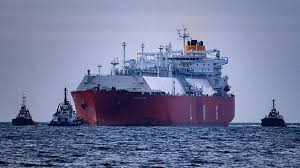
“We expect the war and its implications for hydrocarbon shipping lanes, particularly the Strait of Hormuz, will begin moderating over the next few weeks, but if the war continues beyond that, it could impair fiscal positions, inflation profiles, and financing plans across Africa,” said S&P.
A spike in retail prices might put pressure on government finances and budget deficits in nations like Angola that offer fuel subsidies, as the majority of countries in the area rely on imports of refined gasoline products.
The yearly median of the 27 rated African issuers is $1.5 billion, which is less than in other areas, according to S&P. The cost of debt in the region can differ between specific economies.
This illustrates how governments rely on lower-cost loans from multilateral lenders like the World Bank in overall borrowing.
“Favorable external financing costs, which are at multi-year lows, provide some reprieve, as governments can refinance upcoming foreign currency maturities at lower costs,” stated S&P.