
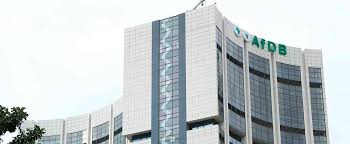
The African Development Bank (AfDB) said on Tuesday that it had raised $11 billion for its fund, which lends money to low-income nations on advantageous conditions.
This amount exceeded the previous replenishment round’s total but fell short of its intended goal.
After obtaining $8.9 billion in 2022, AfDB officials had originally sought to raise $25 billion for the African Development Fund (ADF), which is refilled every three years.
The declaration was made by Africa’s largest development lender, the AfDB, following a two-day donor pledging conference in London that was overshadowed by declining U.S. involvement.
“Our partners chose ambition over retrenchment and investment over inertia in one of the most challenging global environments for development finance,” stated a statement from AfDB President Sidi Ould Tah.
According to the AfDB, 19 African countries—including Kenya, Zambia, and the Ivory Coast—made their first-ever donations to the fund, offering $182.7 million.
The U.S. offered no funding, according to the AfDB’s statement. The American administration has been silent.
The Trump administration cancelled a $197 million financing tranche for the ADF in May, creating doubts about the U.S. commitment to future fundraising.
Since 1972, the ADF has given $45 billion to 37 low-income African nations to finance projects related to energy, transportation, and irrigation.
The ADF provides grants and concessional loans with payback terms longer than 20 years, in contrast to the AfDB’s primary lending window, which has stricter terms and higher interest rates.
As governments’ access to funding is restricted by high debt loads, dwindling aid, and tighter international capital markets, its role has expanded.
According to the lender, 43 partners contributed money to the donor conference, which was co-hosted by Ghana and the United Kingdom.
The OPEC Fund for International Development promised $2 billion, and the Arab Bank for Economic Development in Africa (BADEA) promised $800 million.
Following the U.S. withdrawal, the AfDB has been seeking fund contributors, courting new donor governments, amending its charter to permit the raising of $5 billion in seed investment from capital markets each cycle, and reaching out to charitable groups.