
By 2035, autonomous agents are expected to make up over 90% of all AI token traffic worldwide, according to China’s Huawei, necessitating significant increases in processing capacity in addition to new technologies to maintain the security and control of independent software.
The Chinese internet and telecom giant stated on Wednesday that the annual use of AI tokens, the units models process when receiving and generating information, will soar over the next ten years as agents continuously sense their surroundings, reason, make judgments, and call external tools.
After rogue agent instances and warnings that future systems capable of independently operating hardware and acquiring resources could become challenging for humans to manage, prominent AI academics and executives in the United States have urged a slowdown in frontier development.
The paper “Intelligent World 2035: Turning Vision into Action” from Huawei does not advocate slowing down progress.
Rather, it includes security and privacy protection for autonomous agents as one of ten technologies required to allow the significant expansion of agent capabilities and deployment.
The strategy reflects a broader disagreement regarding the speed of AI.
China has usually aimed to expedite AI deployment across its economy while developing technical standards surrounding emerging concerns, while some segments of the U.S. technology industry are discussing coordinated limitations on how quickly frontier skills evolve.
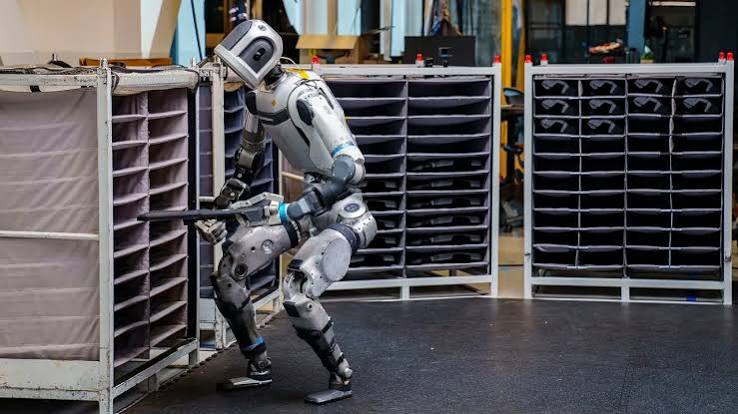
Huawei stated that establishing artificial general intelligence, or AGI, which generally refers to systems capable of carrying out a wide range of tasks at or beyond human levels, will require bringing AI into the physical world.
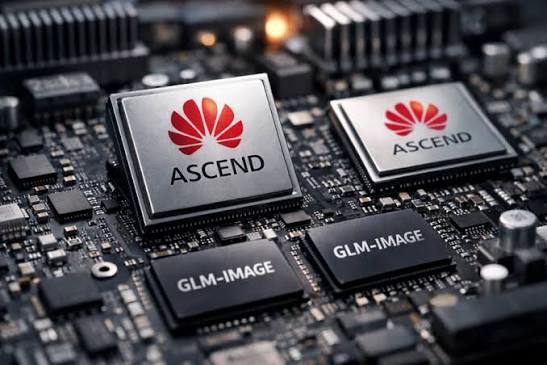
Huawei projects 900 billion active AI agents by 2035—outnumbering humans 100 to 1—while positioning itself to become China’s domestic equivalent to Nvidia.
Here are punchy bullet points broken down by key themes:
The Scale
Population Boom: Huawei forecasts 900 billion global AI agents by 2035, roughly 100 times the human population.
Massive Opportunity: Chairman Guo Ping declared AI as the company’s single greatest growth opportunity.
The Strategy & Hardware
The Nvidia Pivot: Huawei aims to establish its own computing infrastructure as China’s primary alternative to Nvidia.
Physical Deployment: The company is already using specialized “sensing and enforcement” agents to run autonomous cybersecurity platforms.
The Defense Systems
AI Firewalls: Huawei has proposed dedicated AI firewalls to protect corporate networks from emerging digital threats.
Autonomous Security: The tech giant launched an automated security-operations platform to independently detect and neutralize cyberattacks.